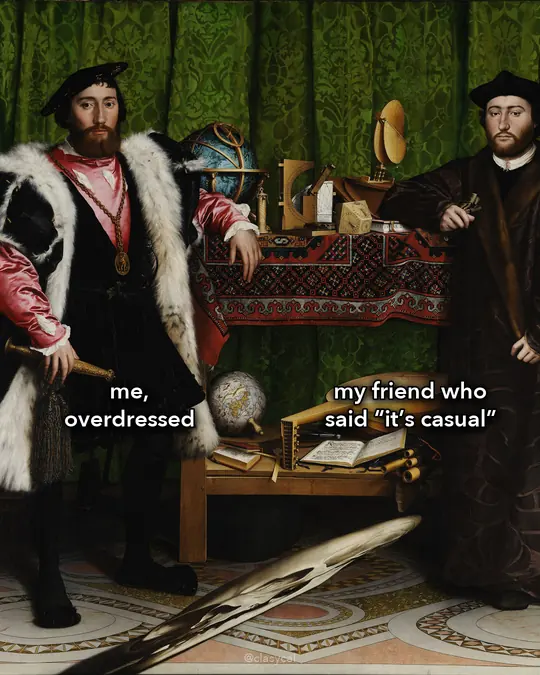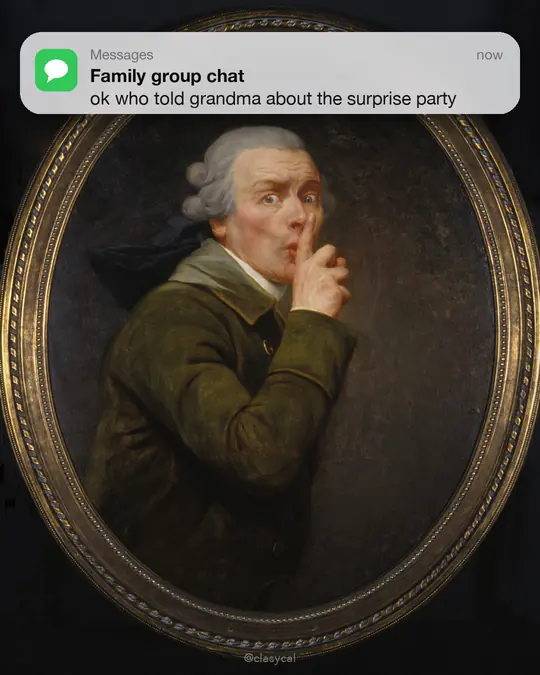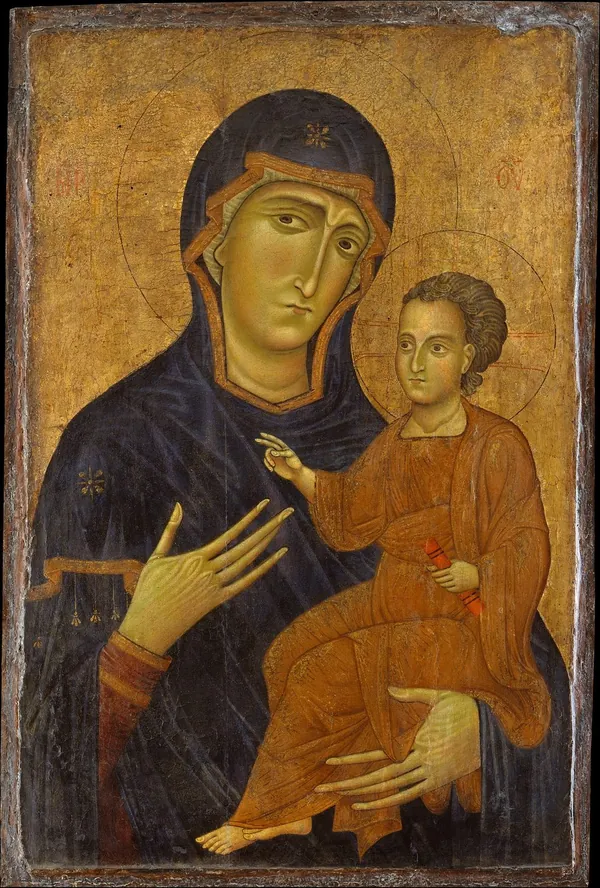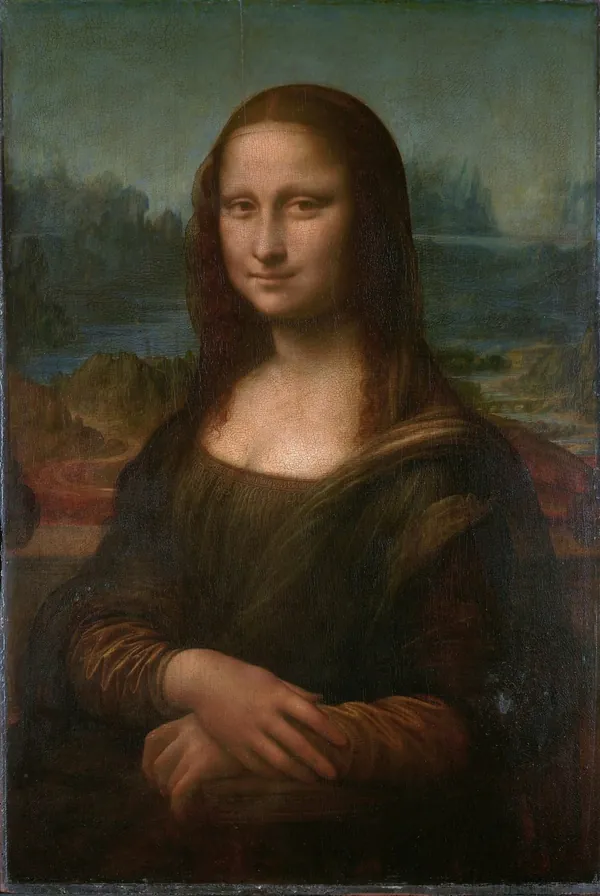
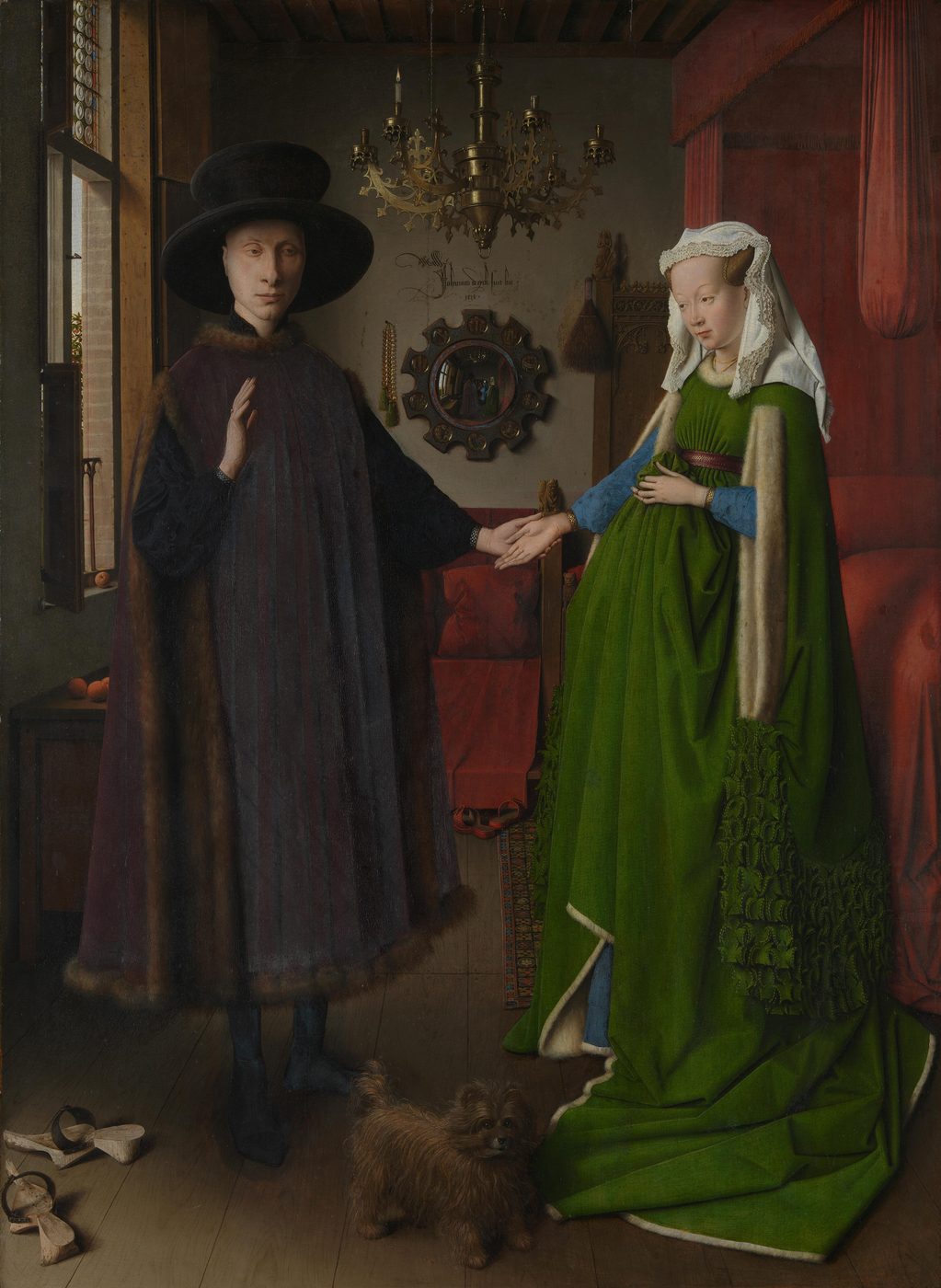
Walk through any portrait gallery and you start to notice a pattern. Kings, bankers, bishops, brides, small children holding small dogs: everyone looks like they just read a work email at 11 pm. Four hundred years of faces, and almost no teeth.
The internet's favorite explanation is that everyone's teeth were terrible. It's tidy, it's a little gross, and it's mostly wrong. The real answer is a mix of physics, manners and personal branding.
Reason 1: A smile can't survive a portrait sitting
Try holding a real smile for five minutes. Now hold it for an afternoon, then come back next week and do it again. Portraits often took several sittings, and a smile is a reflex, not a position you can park your face in.
The writer Nicholas Jeeves, in his essay on the smile in portraiture for The Public Domain Review, points out that it takes only a fraction of a moment for a smile to "turn into uncomfortable grimaces." A neutral face can be held, studied and built up in layers of paint. A grin held for three hours becomes the face of someone being held hostage.
Reason 2: Showing your teeth was bad manners
For most of European history, a wide-open smile did not read as friendly. It read as drunk, foolish, lower-class or up to something. Jeeves notes that for the upper classes, showing the teeth was "a more-or-less formal breach of etiquette."
Etiquette writers put it in print. In 1703 the French priest Jean-Baptiste de La Salle, in his Rules of Christian Decorum and Civility, warned against lips pulled back from the teeth, calling it "entirely contradictory to decorum, which forbids you to allow your teeth to be uncovered."
So who did grin in paintings? Exactly the people polite society was worried about. Dutch painters of the 1600s loved them: Frans Hals's Malle Babbe, a cackling tavern woman with an owl on her shoulder; Judith Leyster's Jolly Toper, raising his jug; Gerrit van Honthorst's leering, laughing musicians. In that tradition, teeth meant taverns. If you were paying good money for a portrait to hang next to your ancestors, you did not want to look like the tavern.
Reason 3: A portrait was a résumé, not a selfie
A commissioned portrait was expensive, slow to make and meant to last for generations. Its job was to record who you were: your status, your wealth, your piety, your marriage. Think less holiday snapshot, more official headshot that your great-great-grandchildren will stare at over dinner.
Seriousness was the point. A calm, composed face signaled self-control, and self-control was what the people paying for portraits wanted to be remembered for. Nobody commissions a family heirloom of themselves mid-chuckle.
The famous exceptions that aren't really exceptions
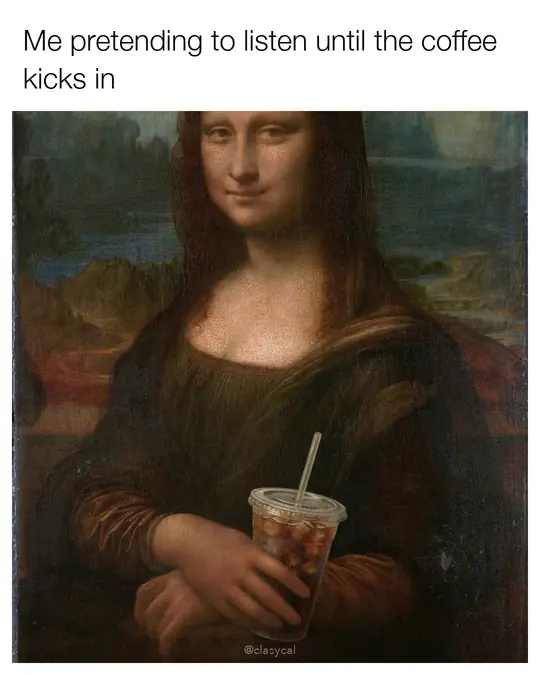
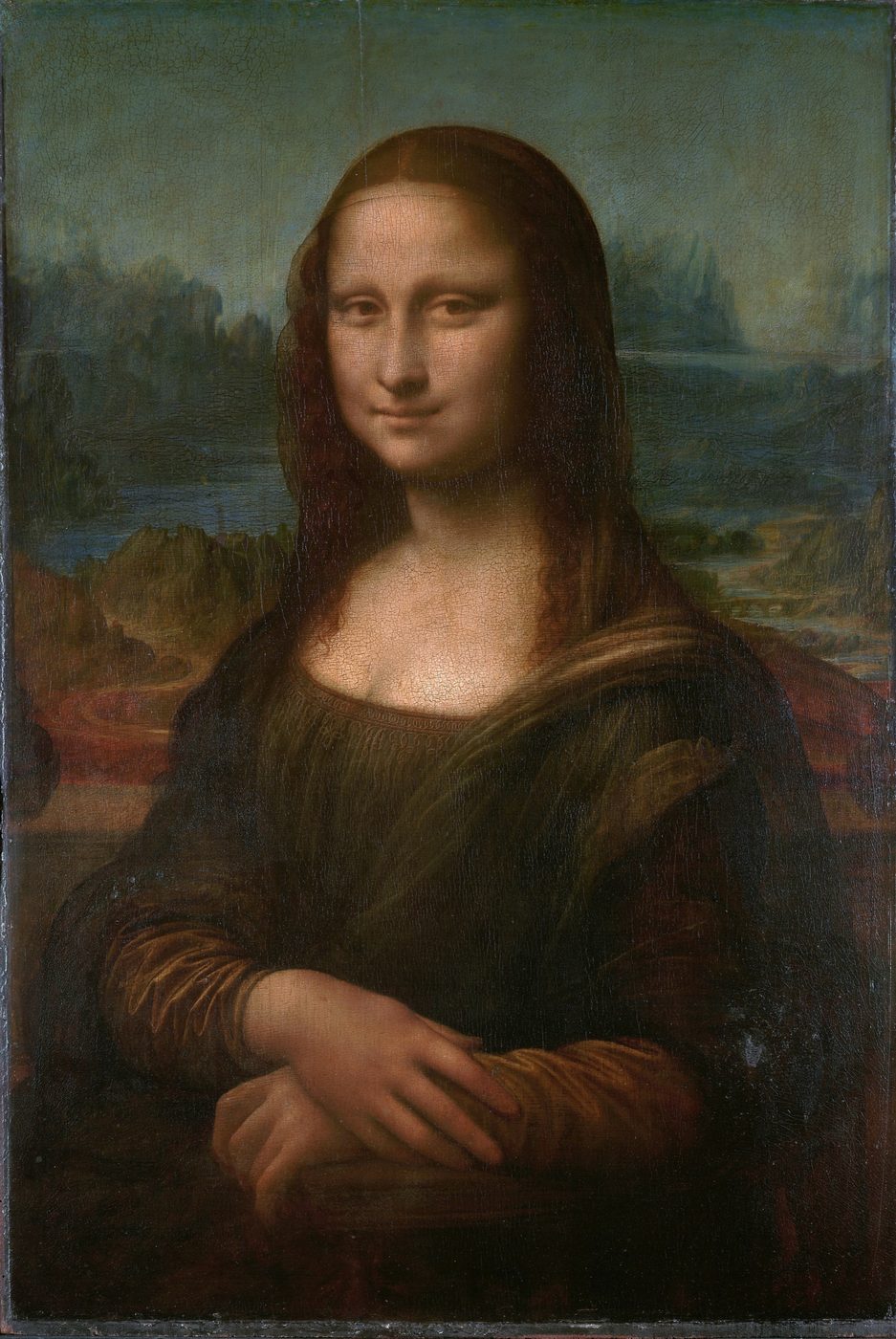
The most famous smile in art history is barely a smile. Leonardo da Vinci's Mona Lisa, begun around 1503, keeps her lips firmly closed, and people have spent five centuries arguing about whether she is amused, polite or quietly judging the tourists. That ambiguity is the whole trick.
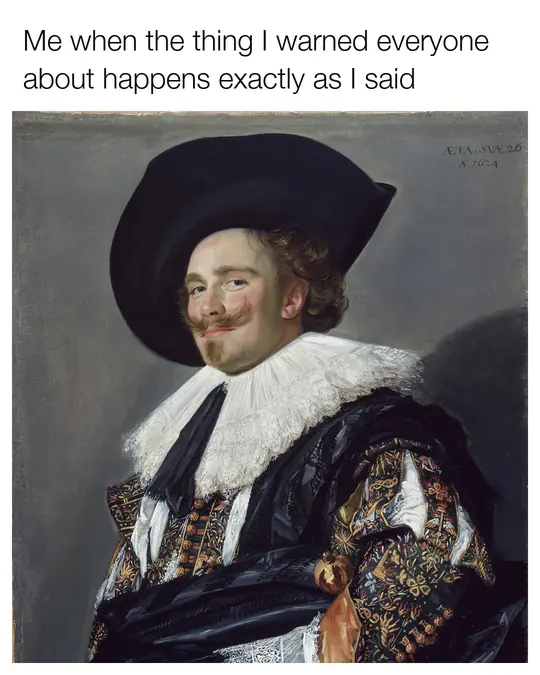
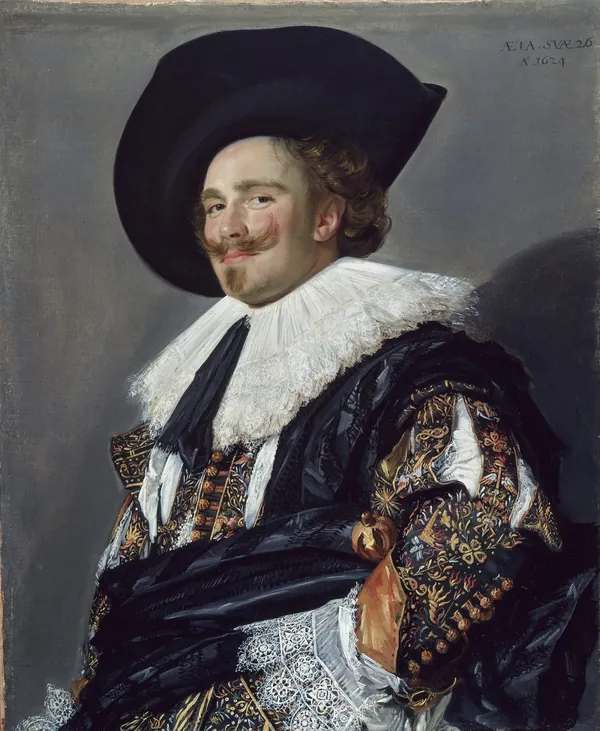
Then there's Frans Hals's The Laughing Cavalier (1624), now in the Wallace Collection in London. Look closely: he isn't laughing. He's giving a confident, closed-mouth smirk. The title is a Victorian invention: the painting arrived in England in the 1870s, and by 1888 the public and press had nicknamed it the Laughing Cavalier. He has been falsely advertised ever since.
The day a painter showed her teeth and Paris lost it
The clearest proof that the rule was social, not dental, comes from 1787. At the Paris Salon that year, Élisabeth Vigée Le Brun, the most fashionable portraitist in France and Marie Antoinette's go-to portraitist, exhibited a self-portrait holding her daughter Julie. Her lips are parted. You can see her teeth.
Critics were not charmed. Historian Colin Jones opens his book The Smile Revolution in Eighteenth-Century Paris with this exact painting, arguing that a visible-teeth smile was simply unusual in elite portraiture until then. He connects the shift partly to the rise of modern dentistry in Paris, which made good teeth something to show off rather than hide.
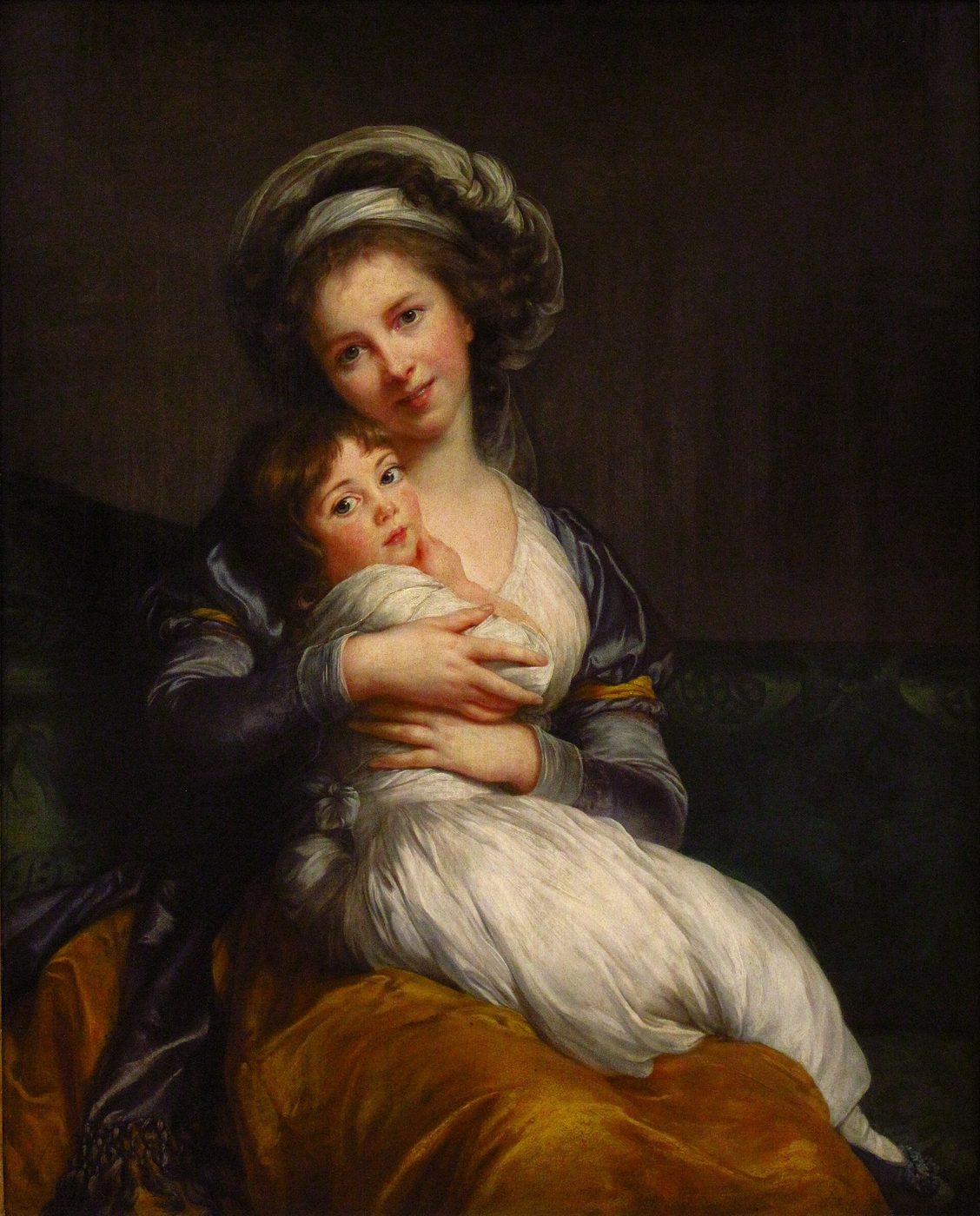
One self-portrait with slightly parted lips, and it became a talking point. That tells you how strong the no-teeth rule was.
So was it the teeth or not?
Partly, but much less than people think. Dental health was often poor, yes. But as Jeeves argues, bad teeth were so common that they weren't necessarily seen as unattractive. And a closed-lip smile hides your teeth anyway. The Mona Lisa proves you can smile without showing a single molar, and still almost nobody did.
The bigger reasons were the ones above: smiles are hard to hold, grins carried the wrong social meaning, and portraits were about dignity, not mood.
Photography kept the straight face going
When photography arrived in the 19th century, people brought painting's rules with them. Early exposures required sitters to hold still, and the formal portrait was still the model. Mark Twain is quoted as saying there is "nothing more damning to go down to posterity than a silly, foolish smile caught and fixed forever." He was not a fan of candid content.
The cheerful snapshot smile is a 20th-century habit, pushed along by cheap cameras and camera advertising that sold photography as fun. Even the phrase "say cheese" is younger than you'd guess: the earliest known print reference dates to the 1940s.
The short version
- Physics: a real smile can't be held through hours of sittings.
- Manners: visible teeth signaled drunks, fools and tavern scenes.
- Purpose: portraits were status records, built to look composed forever.
- Teeth: a minor factor. When Vigée Le Brun finally showed hers in 1787, it was news.
Which is exactly why these faces work so well today. A 17th-century merchant staring blankly into the void is the perfect reaction to a Monday. Browse the Clasycal meme archive for proof, or read why Joseph Ducreux broke every one of these rules.
Four centuries of straight faces, one caption at a time. Follow @clasycal on Instagram and let the old masters react to your week.
Sources
- Nicholas Jeeves, The Serious and the Smirk: The Smile in Portraiture (The Public Domain Review)
- Self-Portrait with Julie (Maternal Tenderness), Wikipedia (citing Colin Jones, The Smile Revolution, 2014)
- Queen Mary University of London: Power, royalty and the smile revolution
- The Laughing Cavalier, Wikipedia
- Getty: Why didn't people smile in old photographs?
- Fstoppers: The surprisingly recent history of saying 'cheese'